

Licence strategy, applications and regulator engagement for gaming, payments, e-money, investment and crypto-asset businesses.
iGaming & Gaming
Licensing, structuring, payments and compliance for online gaming operators and suppliers in regulated markets and complex, evolving regulatory environments.
Topics: B2C & B2B licensingPlayer protectionPaymentsPlatform agreements

Who we advise
- B2C casino, sports betting and poker operators
- B2B game studios and content aggregators
- Platform, turnkey and white-label providers
- Affiliates and marketing partners
- Payment providers serving gaming merchants
Specialisations
Business models we advise
- Online Casino
- Licensing, game certification, player protection and payment access for online casino operators.
- Sports Betting
- Licensing, integrity, advertising and payment rules for online sportsbooks and betting products.
- Gaming Platforms
- Platform, turnkey and white-label providers, and how licensing responsibility is split between platform and brand.
- B2B Gaming Suppliers
- Supplier licences, certification and contracting for game studios, aggregators and technology providers.
- Skin Gambling / Virtual Items
- Whether wagering with in-game items or skins is gambling under the applicable law, and how such models can be structured or restricted.
- Loot Boxes & Chance-Based Mechanics
- Paid chance mechanics in games and apps, and how to design them within gambling, consumer protection and platform rules.
- Affiliates & Marketing
- Affiliate licensing or registration where required, advertising rules and accountability for marketing partners.
Context
The regulatory landscape
The licences a gaming business holds shape which players it can serve and which banks and payment providers will work with it. Online gaming is regulated market by market: hubs revise their frameworks, new regimes open, and operators serving several markets reconcile rules on licensing, player protection, advertising and taxation — often under one brand.
We advise operators, platform providers, studios, aggregators and affiliates on structuring and licensing gaming businesses across jurisdictions — from choosing the licence to preparing the application — and on the payment, banking and compliance arrangements their trading depends on.
Typical matters
Where businesses need support
Choosing the licensing hub
Balancing reputation, market access, cost and banking acceptance across hub licences and local market licences.
Multi-licence operations
Running one platform under several licences with different technical, reporting and player protection rules.
Payment access
Opening and keeping bank and merchant accounts in a sector most institutions classify as high-risk, with files built for their review.
Responsible gambling and AML
Affordability, source-of-funds and safer gambling controls built to the expectations regulators enforce with increasing rigour.
B2B certification
Supplier licences, game certification and technical standards needed to supply regulated operators.
Marketing and affiliates
Advertising and bonus offers within each market's rules, and accountability for affiliate conduct.
Services
How we help
Group architecture, incorporation, substance and governance built around your licences, banking and investors.
Bank account opening, merchant accounts, acquiring, payment flows and safeguarding for international businesses, including gaming, crypto, forex and other high-risk models.
AML/CFT programmes, MLRO-as-a-Service, independent AML/CFT audits, risk assessments, monitoring, sanctions and inspection support.
Regulatory, business model, perimeter, payment, gaming, crypto-asset and cross-border opinions that answer what banks and investors ask.
Platform, white-label, B2B supply, SaaS, affiliate and outsourcing agreements, drafted and negotiated to close deals in regulated markets.
Retained senior counsel who know your business, for day-to-day legal, regulatory and compliance questions across all your entities.
Jurisdictions
Relevant frameworks
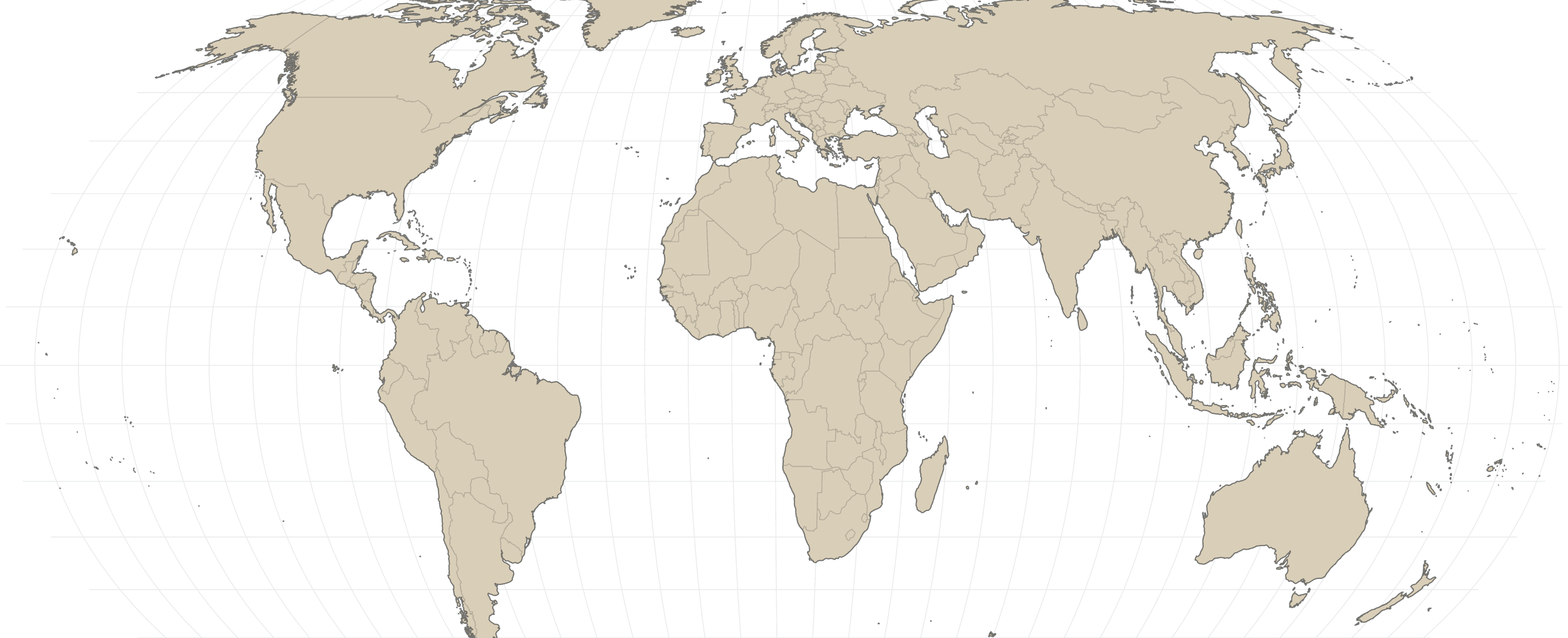
Europe14
- CYCyprusOnline betting licence
- CZCzech RepublicOnline gambling licence
- EEEstoniaRemote gambling licence
- FIFinlandOnline gambling licence
- DEGermanyOnline sports betting, virtual slots and online poker
- ITItalyOnline gaming concession
- LVLatviaInteractive gambling licence
- MTMaltaB2C gaming licence · B2B gaming licence
- PLPolandOnline betting licence
- PTPortugalOnline gambling and betting licences
- RORomaniaClass I licence · Class II licence
- ESSpainGeneral and singular gambling licences
- UAUkraineOnline gambling licences
- GBUnited KingdomRemote operating licence
Asia & Middle East1
Americas & Caribbean7
Insights
Related analysis
Analysis
Curaçao under the new gaming framework: moving beyond a legacy compliance mindset
Curaçao's licensing reform changed more than who issues the licence. Compliance built to the new framework increasingly underpins payment access as well as regulatory standing.
5 min read

Practice note
Building a bankable file: how high-risk businesses are assessed by acquirers and banks
For high-risk businesses, the onboarding file is the evidence banks and acquirers rely on. Prepared the way their compliance teams read it, it answers their questions in advance.
6 min read
Questions
Frequently asked
Should we start with a hub licence or a local market licence?
Start from where your players are. Hub licences can support access to several markets where local licensing is not required, while an increasing number of markets require a local licence to serve their residents. We model both routes against your target player base and budget, so you invest in the licence that fits.
Can you support B2B suppliers as well as operators?
Yes. We advise studios, aggregators and platform providers on the supplier licences, certification and operator contracts they need to supply regulated markets, alongside our work for operators.

Planning a gaming licence or a new market?
Share your products, target markets and current payment setup. We review the licensing route and your banking needs together, then follow up with a written proposal covering scope, timetable and fee.