

Licence strategy, applications and regulator engagement for gaming, payments, e-money, investment and crypto-asset businesses.
Crypto & Digital Assets
CASP and VASP authorisation, token classification, banking and compliance for crypto-asset businesses operating under MiCA and comparable regimes worldwide.
Topics: MiCA / CASPToken classificationTravel ruleCustody

Who we advise
- Exchanges, brokers and OTC desks
- Custodians and wallet providers
- Token issuers and tokenisation platforms
- Payment businesses using stablecoins
- Web3 and blockchain gaming projects
Specialisations
Business models we advise
- CASP / VASP
- The MiCA authorisation, or national VASP registration or licence, that your crypto-asset services require.
- Crypto Exchanges
- Exchange and trading platform licensing, market conduct, listing policies and custody arrangements.
- Custody
- Custody and safekeeping of client crypto-assets: segregation, key management and liability.
- Wallets
- Custodial and non-custodial wallet models, and where the regulatory perimeter sits for each.
- Token Projects
- Token classification, white papers and offering rules for issuers and tokenisation projects.
- MiCA
- Authorisation, white papers, marketing communications and ongoing obligations under the EU Markets in Crypto-Assets Regulation.
- Crypto Payments
- Crypto payment acceptance, stablecoin flows and the payment and e-money rules that can apply to them.
Context
The regulatory landscape
For a crypto-asset business, authorisation now defines the clients it can onboard and how banks assess it for fiat access. Regulation has moved from registration regimes to full authorisation frameworks: in the EU, MiCA established a harmonised regime for crypto-asset service providers and issuers; other financial centres have their own frameworks, each with distinct expectations on governance, custody and market conduct.
We advise exchanges, brokers, custodians, wallet providers, token issuers and digital asset platforms — from classification and the licence application to structuring, banking and the AML, travel rule and custody obligations that follow authorisation.
Typical matters
Where businesses need support
Token classification
Determining whether a token is a crypto-asset, e-money token, asset-referenced token or financial instrument.
Licensing route
Choosing between frameworks such as MiCA, VARA, ADGM and others based on target clients and services.
Custody and segregation
Safeguarding client crypto-assets, key management and the related operational and legal documentation.
Travel rule and AML
Implementing information requirements for crypto-asset transfers and effective blockchain analytics.
Banking and fiat access
Fiat on- and off-ramps and bank relationships for crypto-native businesses.
Market conduct
White papers, marketing communications and market abuse rules for issuers and service providers.
Services
How we help
Group architecture, incorporation, substance and governance built around your licences, banking and investors.
Bank account opening, merchant accounts, acquiring, payment flows and safeguarding for international businesses, including gaming, crypto, forex and other high-risk models.
AML/CFT programmes, MLRO-as-a-Service, independent AML/CFT audits, risk assessments, monitoring, sanctions and inspection support.
Regulatory, business model, perimeter, payment, gaming, crypto-asset and cross-border opinions that answer what banks and investors ask.
Fractional CISO support, ISMS and security programmes, certification and audit readiness, DORA, NIS2 and customer assurance for enterprise sales.
Market prioritisation, regulatory roadmaps and launch readiness that let you expand into new jurisdictions in the right order.
Jurisdictions
Relevant frameworks
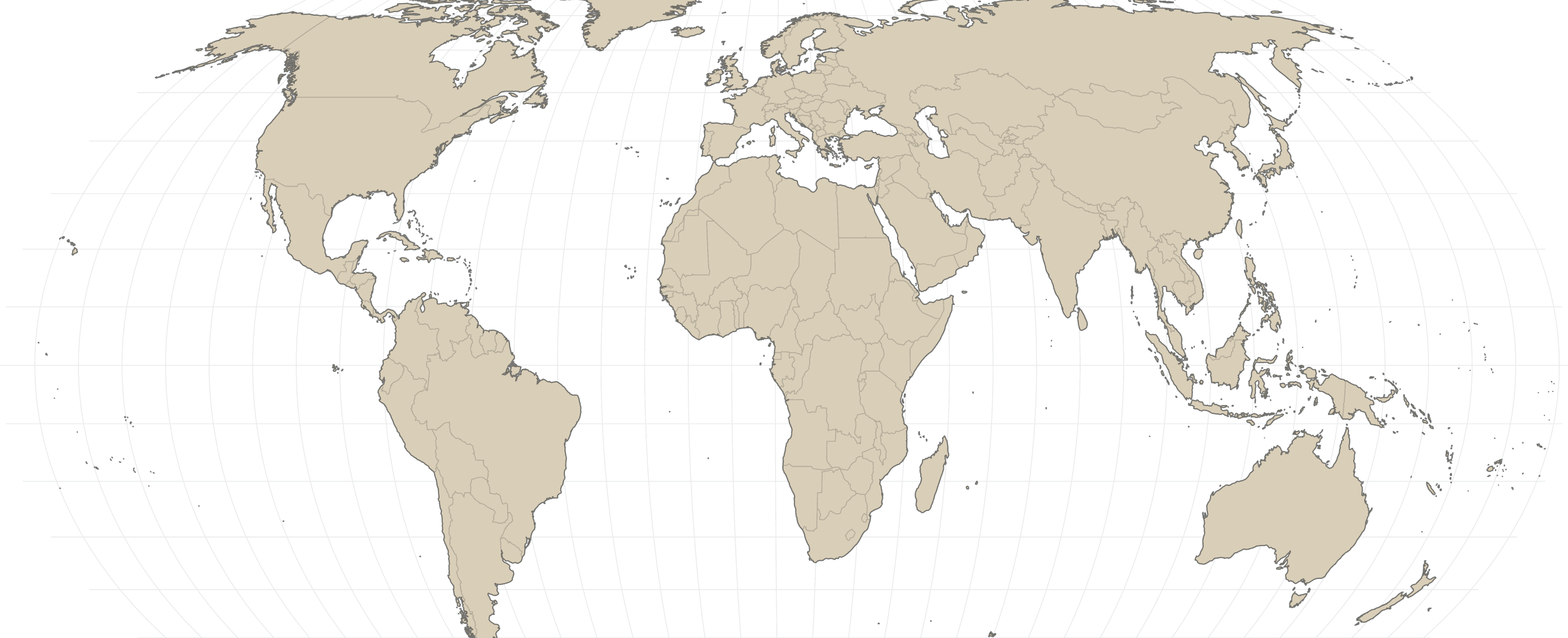
Europe16
- EUEU / MiCACrypto-asset service providers (MiCA) · Asset-referenced and e-money token issuers (MiCA)
- CYCyprusMiCA CASP authorisation
- CZCzech RepublicMiCA CASP authorisation
- EEEstoniaMiCA CASP authorisation
- FIFinlandMiCA CASP authorisation
- DEGermanyMiCA CASP authorisation
- ITItalyMiCA CASP authorisation
- LVLatviaMiCA CASP authorisation
- LILiechtensteinTT service provider registration (TVTG)
- LTLithuaniaMiCA CASP authorisation
- MTMaltaMiCA CASP authorisation
- PLPolandCrypto-asset services (MiCA)
- PTPortugalCrypto-asset services (MiCA)
- ESSpainMiCA CASP authorisation
- CHSwitzerlandSRO affiliation
- GBUnited KingdomCryptoasset registration
Asia & Middle East4
Americas & Caribbean6
- VGBritish Virgin IslandsVASP registration
- CACanadaMSB / FMSB registration · Crypto trading platform registration
- SVEl SalvadorDigital asset service provider registration · Digital asset issuance · Bitcoin service provider registration
- LCSaint LuciaVirtual asset business registration
- VCSaint Vincent and the GrenadinesVirtual asset business registration
- USUnited StatesMSB registration and money transmitter licences · New York virtual currency licence
Insights
Related analysis

Regulatory update
After the MiCA transition: what crypto-asset service providers should now have in place
With MiCA's transitional periods over, the question for CASPs serving EU clients is whether their operating model matches the services they were authorised to provide.
6 min read
Practice note
Building a bankable file: how high-risk businesses are assessed by acquirers and banks
For high-risk businesses, the onboarding file is the evidence banks and acquirers rely on. Prepared the way their compliance teams read it, it answers their questions in advance.
6 min read
Questions
Frequently asked
Does MiCA apply to us if we are based outside the EU?
MiCA applies to crypto-asset services provided to clients in the EU. Firms based elsewhere generally need authorisation in a member state to serve EU clients, subject to a narrow reverse solicitation exemption that regulators interpret restrictively. We map your EU activity and plan the route that fits it.

Preparing for MiCA or VASP authorisation?
Describe your services, tokens and target clients. Our first discussion covers token classification and the licensing route; you then receive a written proposal with scope, timetable and fee.